
How did you get into this work and what radicalized or moved you to participate in the area of law you specialize in?
The biggest thing that led me to realize the injustices of the criminal system was the pro bono work I did when I was at a law firm several years back. While I was there, I dedicated a lot of time to pro bono work addressing specific parts of the criminal punishment system. I worked on a death penalty case and several cases involving resentencing under the First Step Act. I’d always been skeptical of the nature of punishment in this country, but those experiences revealed to me the arbitrary and unforgiving nature of criminal punishment. In the context of the death penalty, which is obviously the most extreme and unreversible of punishments, it was really galling to see firsthand the way that particular punishment is applied in an arbitrary, unjust, and inhumane manner. That experience really opened my eyes to the injustice of it all and made me think more critically about the system as a whole. The resentencing work I did was no less eye-opening; in that context I represented individuals who had been subjected to outrageous sentences that were absurd from the beginning and made all the worse by the pandemic. And so, after having worked on cases like that, there was no going back for me. I couldn’t continue to work on anything other than injustices in the criminal system.
After that, I went and worked as a public defender, and I saw that those systemic injustices that I had identified had their root in the inhumane way punishment is administered throughout the entire system. I saw that those punishments had individualized negative impacts on people’s day to day lives. Big picture, this system is unjust and arbitrary. That’s obvious. But at a micro level, individuals involved at all stages of the system are worse off for having participated in it. The system combats perceived harm by imposing more harm.
I feel like in the US, our system views people that commit harm as disposable. Let’s build a system of accountability instead of disposability.
Totally, our whole criminal system is founded on the idea that there’s a group of people who we need to, as a society, control. The ways that we “control” them have nothing to do with improving our society and making sure that people are living whole valuable lives and that we all are getting along. It’s about segregating this one group away from everyone else and making sure that this thing that we’ve decided is bad haunts them for the rest of their lives. The system is not directed at addressing the well-being of those who have been harmed or caused harm. Instead, it is solely focused on punishment.
That’s not in any way how we should be thinking about addressing wrongs that may occur in our society and seeing the humanity of other people. As it’s currently set up, the system is totally inconsistent with all of that.
What is the biggest challenge or reward that you face doing this work?
I think the biggest challenge is what I just described. Undermining that notion that there is a group of “other people” who are undeserving. I think that this notion of “deservedness” is so embedded in our society that it influences the way we think and, in turn, how we as a society treat individuals.
But setting that aside, I think the biggest reward is really the inverse of that, which is collaborating with impacted individuals and communities and building power. On an individual basis and within communities, it excites me so much to see folks have agency and power in influencing how these systems can operate better. And it’s something that I’m really working on developing as a lawyer because in law school, we aren’t taught how to elevate people’s voices and change the narrative.
What we are taught to do is to use the law to apply towards unjust systems and to elevate righteous causes. And so, I think we as lawyers can do that and if we can give communities power to fight back against these narratives, that’s really something that we as lawyers, we have a place to do, and should be doing.
Do you have a specific case that stands out in your career so far?
My most memorable, most impactful case for me, involved the representation of an individual who was serving a life sentence in federal prison for his second offense, a crack cocaine distribution offense.
His life sentence originated from the 1994 crime bill that created these huge disparities in sentencing between crack cocaine and powder cocaine. It was a hundred to one. Basically this man had made two “mistakes”, and it was those two decisions in his life that rendered him, in the eyes of the law, unredeemable. So he was sentenced to life in prison. But I can confidently say, he’s the most impressive person I’ve ever met in my life. If I went through a similar experience, I cannot say that I would have the same sort of dedication to myself that this man did. I would be very tempted to give up on myself and others. But that was not his approach. He is totally dedicated to being a good person. He got his GED when he was in prison. He was sort of a lawyer for some of the other folks. He would be in the library all day, looking up legal citations and helping people advocate for themselves. He became a big brother to younger folks who were coming into the prison, and he would mentor people.
So then in 2018, the First Step Act was passed, which allowed folks like my client to petition courts for resentencing. As soon as the law passed, he filed a motion with the court to reduce his life sentence. That was denied. He appealed it up to the 11th Circuit. He lost again there. At that point, only then, did my law firm get involved and help him keep the case alive. And essentially, it got remanded back down to the District Court, where I got involved. We did a lot of briefing, I engaged with him a lot, and we actually were able to get his life sentence reduced significantly.
So within three months of the decision from the judge, he was out in the world and he’s now, last I spoke to him, he had started his own LLC. He was driving a delivery truck and he’s just living his life. As he should have always been able to do. And it’s amazing that with his case, he never would have been in the position that he was in to get access to the courts if he hadn’t been the driver behind his case. He filed the motion in the first place, he then kept it alive at the 11th circuit. If he hadn’t been so committed to himself and his desire to have freedom, he never would have ultimately been successful. He would still be in prison.
He is such an impressive person and really speaks to the humanity of folks who were in these situations.
While this incarcerated person was powerful in their own right, you came in and balanced the scales a little bit more with the systemic power in his favor. And I just love to see the energy that you put energy into that.
What’s your leisure go to activity when you’re not at work?
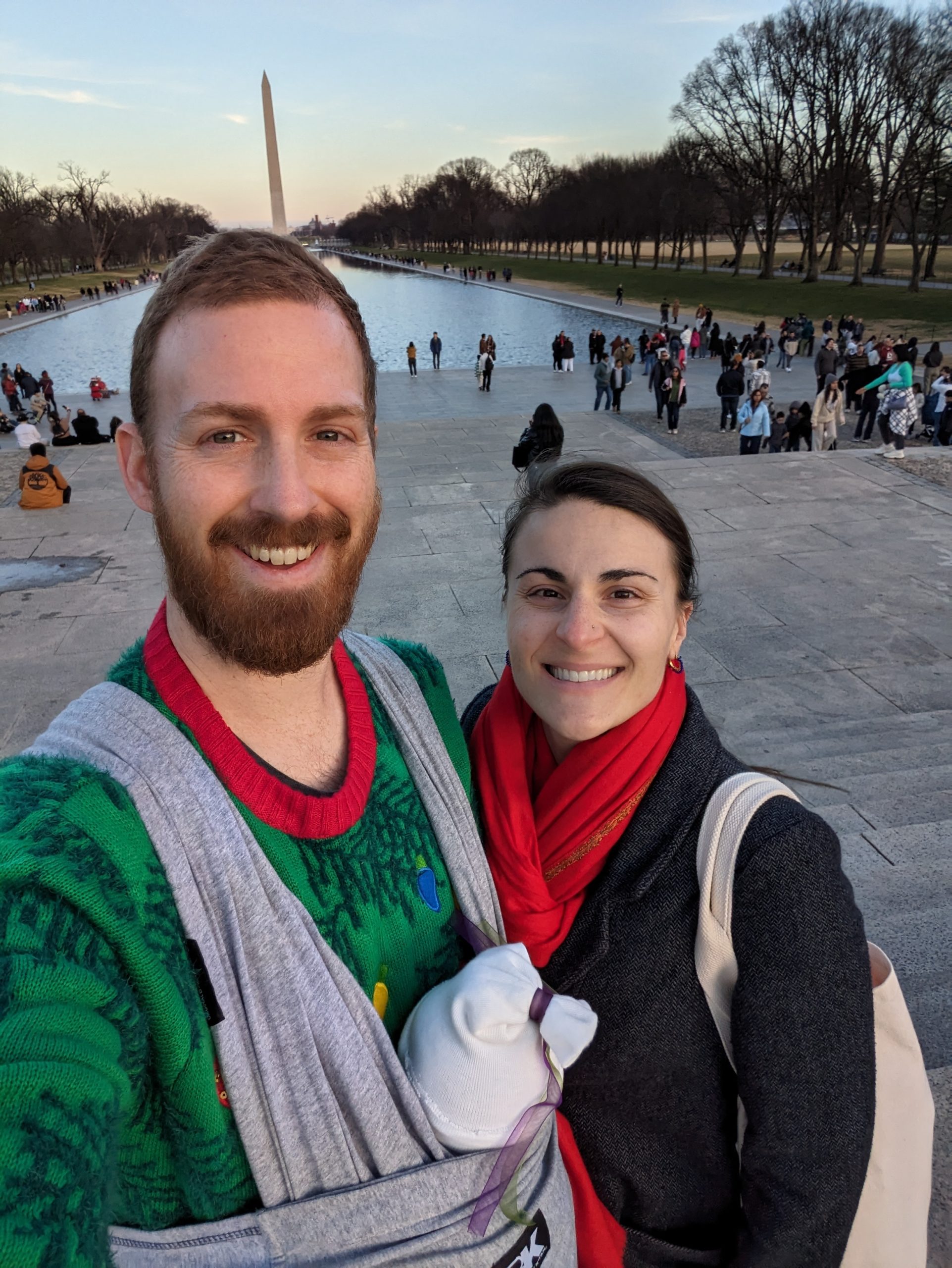
I’ve got a few, my wife and I love traveling and now we have a new baby at home. We love to bring her with us on our adventures. I love reading. I always try to make time to read for fun instead of just for work. I also do a lot of biking, and I play basketball. I try to stay active, which is not always the easiest thing in the world with a one-year-old at home, but I try.
What kind of books do you like to read?
I like to read fiction. Entirely fiction, mostly totally unrelated to anything I do or experience on a day-to-day basis. And honestly, what is most important to me is good writing or good storytelling. Right now, I’m reading Half of a Yellow Sun, by Chimamanda Ngozi Adichie. She’s an incredible writer and it is so easy to get sucked into what she writes about. I’ve also read several of Kazuo Ishiguro’s novels this year.
Do you have any grassroots or movement building groups that you’re involved with that you would like to see get more mainstream attention?
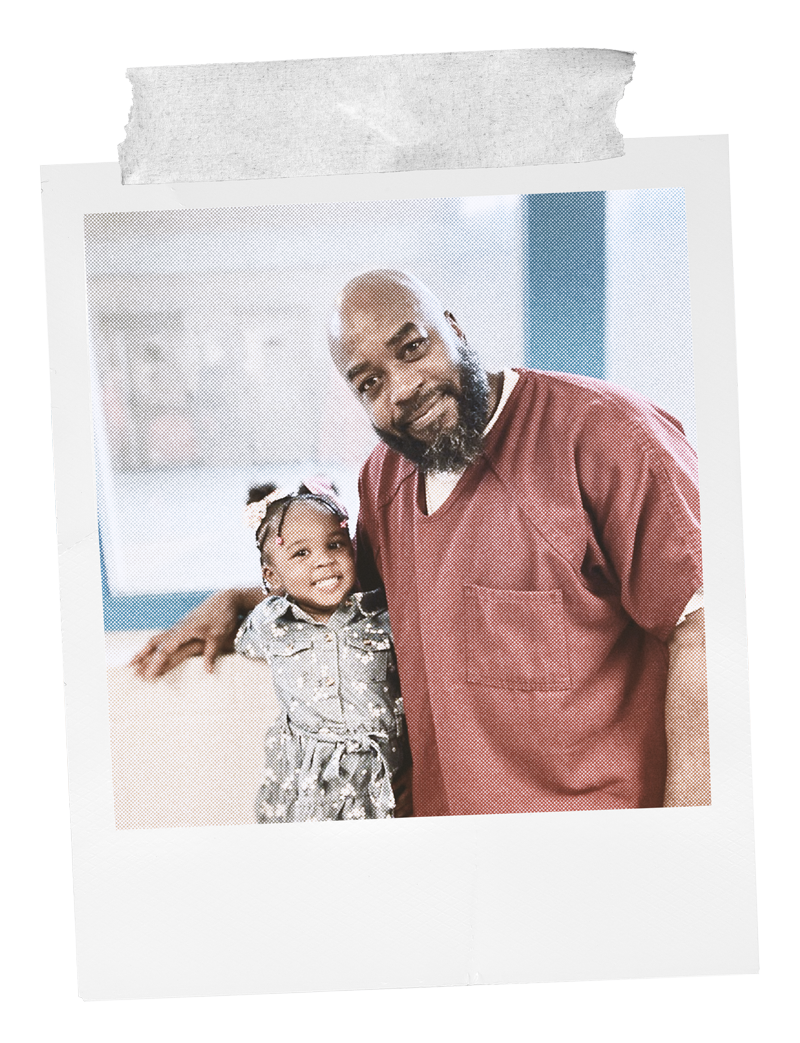
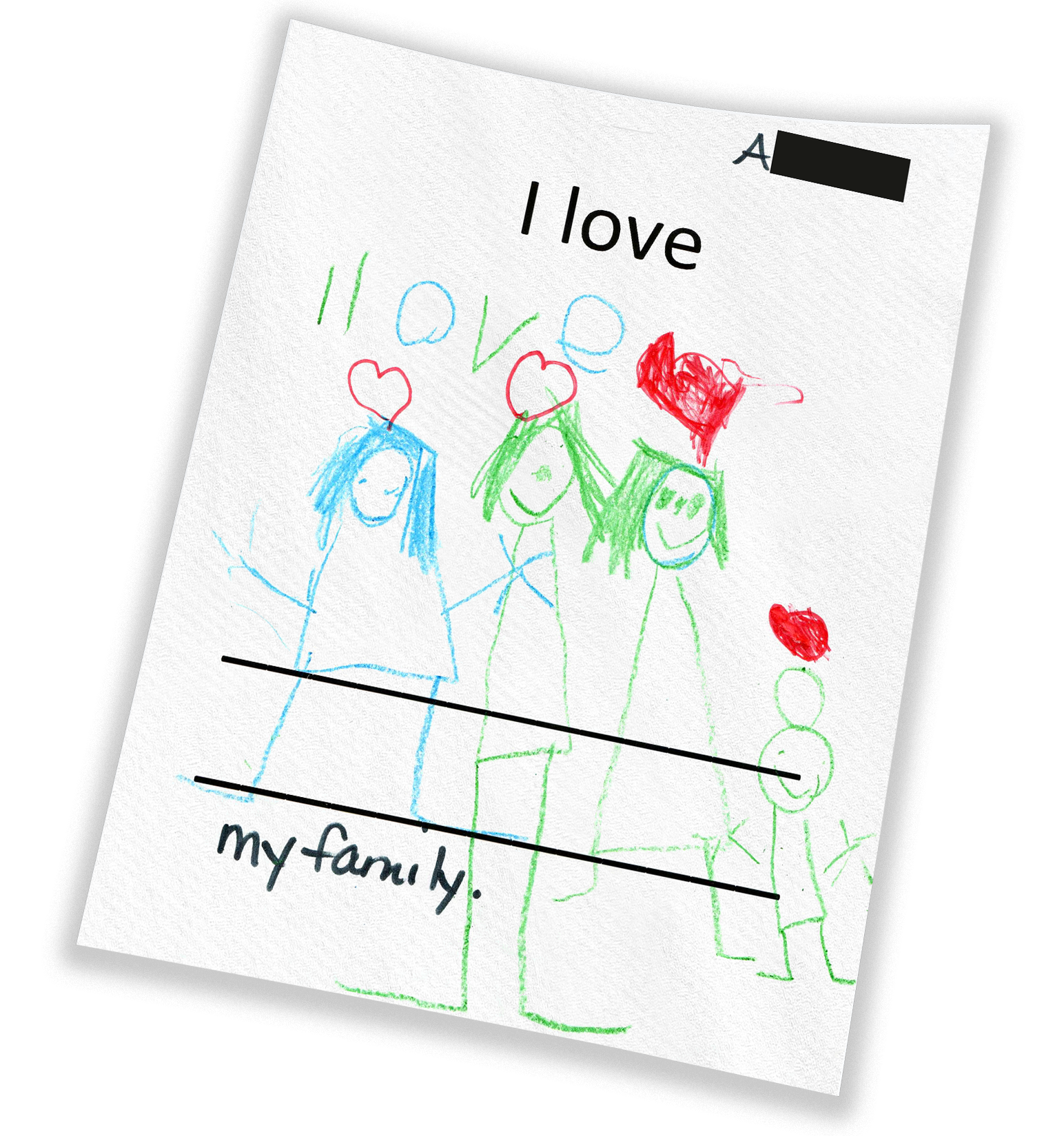
I think one of the biggest grassroots movements I’m currently involved with is the Right to Hug campaign. That movement is tied to the two cases that we’re litigating in Michigan about the ways in which the carceral system separates families. This is an issue that impacts millions of people in the United States and millions of children who are completely unable to have any physical contact with their parents while their parents are in jail. I think that almost everyone would agree that there’s a real problem in our country of ensuring that parents are present in people’s lives. But people don’t appreciate the consequences of the choices that we’ve made as a society when we choose to incarcerate people at astonishing rates. What we are doing is making it more difficult for families to stay intact. It is really discouraging because often times we think that the solution is locking people up when that’s just making matters completely worse.
Do you have a skill you would like to develop or sharpen in the next year?
As a lawyer and advocate, there are so many things that I know I need to improve on. But one area I want to focus on is using litigation as a means for building power, or as a complement to efforts in the community to put power in the hands of folks who are impacted by the system. I think that this can be a very amorphous concept, but it is something that impact litigators need to work on. It can be very daunting as a lawyer to extend yourself beyond what we normally consider to be our role: focusing on what the law is or maybe what the law should be. But often we’re not focused on whether the work that we do empowers folks. Can the work that we do shift the power dynamics so as to really make a lasting difference for people?
One thing I want to get better at is thinking about the broader impacts of our work and how what we’re doing can be used by non-lawyers. And to develop that skill requires constant engagement with folks to hear what folks need, what folks want.
Sometimes as lawyers we think that we know everything, and the reality is we don’t. We can occupy a specific role in a movement, and we need to stick to our role and help others. That is what being a lawyer is all about
What is the best piece of career advice that you have received, and would you change it at all to share with any other attorneys?
I think the best career advice I ever got was from my clinical instructor in law school who, when I graduated, gave me the advice that I should take whatever opportunities I had and shape them to what my goals are. So, if as a young lawyer, you are lucky enough to clerk for a judge, try to use that time as a learning opportunity to engage with things that you care about. I was at a big law firm for a while, and I used that opportunity to learn a lot and to do a lot of pro bono work in the criminal space because that’s where I was interested in going with my career. I think that young lawyers don’t realize that they have the sort of agency to do that; to make their desires known and use the experiences that they’re getting to build skills for the things that they care about.
I thought that was really good advice that I got when I was young. It was something that I tried to be mindful of: what do I want to get out of this experience? Let me try to get that out of it.
What is a fun fact that people probably don’t know about you?
This is something I feel like I’ve been sharing lately. For a couple of summers in college, I worked for the WNBA, the Minnesota Lynx women’s basketball team, in their scouting department.
One of my good friends to this day, I met through that job. It was just cool. Totally unrelated to anything I do now, but it was just a fun environment. Other than this job, it is maybe the coolest job I have had.
Can you describe a perfect day outside of work?
I think my perfect day outside of work is spending a long period of time outside in nature, either on a hike or going for a bike ride and spending time with my daughter, that would be the ideal, perfect day for me. A nice fall weather day where you can put on a sweater, be a little chilly and be outdoors.